Contents:
- How Hair Removal Cream Actually Works
- Does Hair Removal Cream Work for Different Hair Types?
- Fine and Light Hair
- Thick and Coarse Hair
- Curly Hair
- Effectiveness Across the UK and Beyond
- Real Results: What to Expect
- Cost Breakdown: Is It Affordable?
- Practical Tips for Best Results
- The Patch Test Is Non-Negotiable
- Follow Timing Exactly
- Apply Thickly and Evenly
- Moisturise Afterwards
- Avoid Sensitive Areas on First Try
- When Hair Removal Cream Doesn’t Work Well
- Frequently Asked Questions
- Does hair removal cream work on facial hair?
- How long does hair removal cream work last?
- Is hair removal cream safe to use regularly?
- Does hair removal cream cause dark stubble like razors?
- Can you use hair removal cream in the shower?
- The Bottom Line: Does Hair Removal Cream Work?
Your mate swears by it. The adverts promise silky skin in minutes. Yet you’re standing in the chemist aisle, sceptical, wondering: does hair removal cream actually work? The truth is messier than the marketing suggests—but the answer might surprise you.
Hair removal cream, technically called depilatory cream, has been dissolving unwanted hair since the 1940s. It’s not magic, but it’s genuinely effective for many people when used correctly. The real question isn’t whether it works at all, but whether it works for you—and that depends on your skin type, hair thickness, expectations, and regional availability of quality products.
How Hair Removal Cream Actually Works
Hair removal cream doesn’t pull hair out like waxing or razors. Instead, it chemically breaks down the protein structure of the hair shaft. The active ingredient in most creams is potassium thioglycolate or calcium thioglycolate, which penetrates the hair and weakens its bonds. After 5–10 minutes, you simply wipe or rinse away the softened hair.
The process sounds aggressive because it is—you’re literally dissolving hair. This is why the smell is pungent (think rotten eggs mixed with chemicals) and why patch tests matter. The cream works only on the hair above the skin surface, leaving the root intact beneath the skin. That’s why regrowth happens faster than with waxing or plucking.
Does Hair Removal Cream Work for Different Hair Types?
Not all hair is created equal. Thick, coarse hair responds differently than fine, light hair to depilatory creams.
Fine and Light Hair
If you have fine facial hair or light body hair, hair removal cream works brilliantly. You’ll see near-complete removal in 5–8 minutes. The results last 3–5 days, which is longer than shaving but shorter than waxing. The downside? There’s minimal downside for fine hair.
Thick and Coarse Hair
Thicker hair requires longer application times—sometimes up to 10 minutes—and even then, you might see stubble rather than complete smoothness. Coarse hair also has a higher chance of causing irritation because the cream must work harder. If you have very dense hair, this might not be your best option.
Curly Hair
Curly hair often doesn’t respond as well because the cream struggles to reach the hair shaft evenly. You might see patchy results. Combination products or different techniques (applying in sections, using a thicker layer) can help.
Effectiveness Across the UK and Beyond
Product quality varies significantly by region. In London and the Southeast, you’ll find premium brands like Veet and Immac in every supermarket, alongside European alternatives. The North has equally good availability, though independent chemists sometimes stock professional-grade versions. The West Country tends toward naturals-focused brands, which often work less aggressively but suit sensitive skin.
Regional climate matters too. In dry regions or during winter, skin moisture loss is faster, which can increase irritation. In humid areas like coastal regions, your cream stays on the skin longer before drying, potentially causing stronger reactions.
Real Results: What to Expect
Hair removal cream delivers 80–95% hair removal for most people, depending on application technique. You won’t get 100% smoothness unless you’ve got very fine hair. Most users report soft regrowth within 3–7 days—softer than shaved hair, which grows back stubbly.
The results are immediate. Unlike razors that sometimes miss patches, cream covers entire areas evenly if applied properly. The trade-off: that chemical smell lingers, and sensitivity ranges from zero irritation to red, tender skin.
Cost Breakdown: Is It Affordable?
A standard 100ml tube of quality hair removal cream costs £3–£6 in UK supermarkets and chemists. Each application uses roughly 15–20ml, so one tube covers 5–7 applications. That works out to £0.50–£1.20 per use.
Compare this to alternatives: razors (£0.30–£0.50 per use if you replace blades monthly), waxing strips (£1–£2 per use), professional waxing (£15–£40 per session), and laser hair removal (£150–£500 for a course). For sheer budget, hair removal cream is competitive with razors but significantly cheaper than professional treatments.
Budget over a year: roughly £20–£50 for regular use versus £180–£480 for professional waxing. This is why hair removal cream remains popular despite newer alternatives.
Practical Tips for Best Results
The Patch Test Is Non-Negotiable
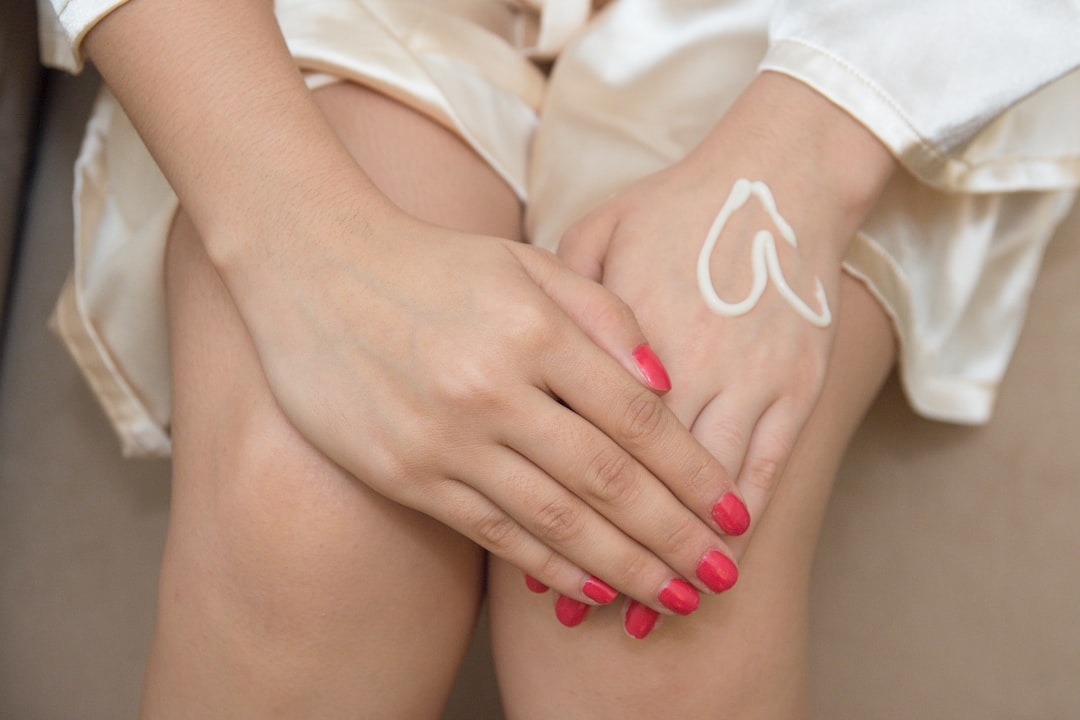
Even if you’ve used cream before, test on a small area 24 hours prior. Apply behind your ear or on your inner forearm. Allergic reactions or sensitivities can develop unexpectedly. This step takes 90 seconds and prevents hours of discomfort.
Follow Timing Exactly
Don’t leave cream on longer than recommended—it won’t work better, just angrier. Set a timer. Five minutes feels short, but that’s the sweet spot for most products. Check instructions; some creams need exactly 5 minutes, others up to 15.
Apply Thickly and Evenly
Thin applications don’t work. Use enough cream to completely coat the hair in a 2–3mm layer. Uneven application means patchy results. Take your time—speed is tempting but creates poor coverage.
Moisturise Afterwards
Your skin will be dry and potentially irritated. Apply a fragrance-free moisturiser within 10 minutes of rinsing. Aloe vera gel or a standard cream soothes irritation and locks in hydration. This step genuinely improves your tolerance to the product.
Avoid Sensitive Areas on First Try
Don’t start with your face if you’ve never used depilatory cream. Begin with legs or underarms to gauge your skin’s sensitivity. Facial skin is thinner and more reactive. Once you know your tolerance, you can expand to delicate areas.
When Hair Removal Cream Doesn’t Work Well
Hair removal cream isn’t ideal if you have very sensitive skin, active acne, recent sunburn, or cuts and grazes on the area you want to treat. It’s also less effective on very thick hair or stubble that’s already started growing back.
If you’re prone to ingrown hairs, depilatory cream might worsen them because it leaves the root intact. In that case, waxing (which removes the entire hair) or laser hair removal (which destroys the follicle) works better long-term.
Frequently Asked Questions
Does hair removal cream work on facial hair?
Yes, but only fine facial hair. Use products specifically formulated for facial hair (usually milder formulas). Thick facial hair requires longer applications and often leaves stubble. Patch test first—facial skin is sensitive.
How long does hair removal cream work last?
Results last 3–7 days depending on your hair growth rate and hair thickness. Fine hair regrows softer; coarse hair returns stubbier. Expect regrowth to be visible by day 5–7 for most people.
Is hair removal cream safe to use regularly?
Yes, when used as directed. Use it no more than twice weekly on the same area to avoid irritation buildup. If your skin tolerates it well, regular use is safe. However, any sign of persistent irritation warrants a break.
Does hair removal cream cause dark stubble like razors?
No—this is a genuine advantage over shaving. Because cream dissolves hair above the skin, regrowth is softer. You won’t see the dark shadow under the skin that razors create. This benefit is one reason people prefer cream to shavers.
Can you use hair removal cream in the shower?
Most creams aren’t designed for shower use because moisture reduces effectiveness. Apply cream in dry conditions, wait the recommended time, then rinse. Read your specific product’s instructions; some newer formulas allow it.
The Bottom Line: Does Hair Removal Cream Work?
Hair removal cream works—genuinely and effectively—for most people, most of the time. It won’t deliver magazine-worthy results on very thick hair, and it requires following instructions precisely. But if you have fine-to-medium hair, tolerate the smell and chemical sensation, and moisturise afterwards, you’ll see smooth skin within 10 minutes of application.
The real question isn’t whether it works. It’s whether it works for your hair type, skin sensitivity, and lifestyle. The only way to know is to do a proper patch test and try it. At £3–£6 per tube, the investment is low enough to experiment without financial risk.
If you’re tired of daily shaving but not ready for professional treatments, hair removal cream bridges that gap perfectly. Just follow the basics: patch test, time it right, apply thickly, and moisturise. Your skin will thank you, and you’ll finally have a clear answer to whether it works for you.