Contents:
- What IPL Hair Removal Actually Feels Like
- Does IPL Hair Removal Hurt? Factors That Determine Your Experience
- Skin Sensitivity and Tolerance
- Hair Density and Colour
- Treatment Area
- Clinician Settings and Equipment
- Regional Differences in IPL Treatment Approaches
- Practical Strategies to Minimise Discomfort
- Pre-Treatment Preparation
- During Treatment
- Post-Treatment Care
- Cost Breakdown: What You’ll Actually Spend
- FAQ: Your IPL Pain Questions Answered
- Is IPL more painful than waxing?
- Does the pain get worse with each session?
- What happens if I can’t tolerate the pain?
- Can I use a numbing spray instead of cream?
- Is home IPL less painful than professional IPL?
- The Bottom Line: What to Expect
People often tell you that IPL hair removal is painless. That’s not entirely accurate—and it’s one of the most misleading claims in the beauty industry. The truth sits somewhere in the middle, and understanding where depends on several personal and procedural factors. Here’s what actually happens during treatment, what the sensation really feels like, and how to prepare so you’re not caught off guard.
What IPL Hair Removal Actually Feels Like
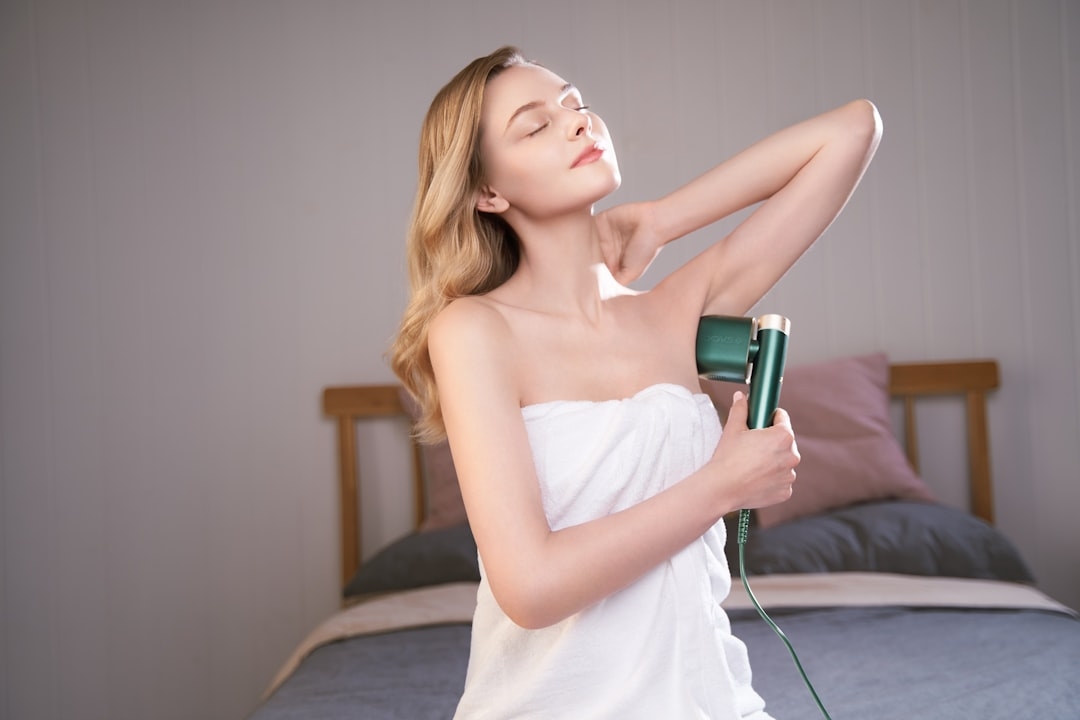
IPL (intense pulsed light) works by emitting broad-spectrum light that targets the melanin in hair follicles. When that light pulse hits your skin, you feel something. Most people describe it as a snap—like a rubber band flicking against your skin. Some compare it to a brief pinch or a warm sting lasting just a fraction of a second.
The sensation isn’t sharp pain in the traditional sense. It’s more of an acute, momentary discomfort that vanishes immediately once the pulse passes. Think of it as pressure and heat combined, rather than cutting or piercing pain. The feeling typically registers around 3–5 on a 10-point discomfort scale for most clients, though this varies enormously between individuals.
Darker skin types and those with lighter hair often report less sensation, while fair-skinned individuals with dark hair typically feel more intensity. This is because the contrast allows the light to be absorbed more effectively by the hair pigment, creating a stronger reaction.
Does IPL Hair Removal Hurt? Factors That Determine Your Experience
Whether you find does IPL hair removal hurt depends on several variables that directly influence the intensity of the sensation:
Skin Sensitivity and Tolerance
Your baseline pain threshold matters. If you’ve had other beauty treatments—waxing, threading, or laser work—you may already know how your skin responds to acute discomfort. People with very sensitive skin or those prone to migraines sometimes find the sensation more bothersome, not necessarily because it’s more painful, but because their nervous system processes it differently.
Hair Density and Colour
Coarse, dark hair requires stronger light energy to heat the follicle effectively. This means more thermal sensation. Fine, light hair needs less energy, resulting in gentler pulses. Someone with thick, dark leg hair will likely feel more during IPL than someone with fine, blonde peach fuzz.
Treatment Area
Your face is more sensitive than your legs. The underarms are more sensitive than the shins. Areas with thinner skin transmit heat more directly to nerve endings, intensifying the rubber-band sensation. Brazilian treatments hurt more than bikini line work. The face—particularly the upper lip and chin—is typically the most uncomfortable area, ranging from 4–7 on the discomfort scale.
Clinician Settings and Equipment
This is crucial. A skilled technician will calibrate the IPL machine to your skin type and hair colour, balancing efficacy with comfort. A clinic using outdated equipment or rushing through treatments might use unnecessarily high energy settings, making the experience worse. UK clinics vary significantly in their approach—from premium practices that offer numbing creams to budget alternatives that move clients through quickly.
Regional Differences in IPL Treatment Approaches
IPL practices vary across the UK. London and Southeast clinics tend to offer more premium experiences with numbing options, as clients expect a higher comfort standard. Northern clinics often emphasize efficiency and value, meaning faster sessions with standard settings. Scottish and Welsh practices frequently include cooling gel application as standard, which helps manage sensation during treatment. West Coast clinics (particularly in affluent areas) are more likely to offer topical anaesthetic or pre-treatment cooling, adding £15–30 to your session cost.
A standard IPL session in London ranges from £80–200 depending on the area, whilst the same treatment in Manchester or Birmingham costs £50–120. This price difference sometimes reflects equipment quality and technician experience, which can influence comfort during treatment.
Practical Strategies to Minimise Discomfort
Pre-Treatment Preparation
Avoid caffeine and alcohol for 24 hours before your appointment. Both increase skin sensitivity and blood flow, making the sensation feel more intense. Don’t exfoliate or wax the area for three days prior—you want hair just below the surface, not completely removed. This might seem counterintuitive, but it allows the light to target the follicle more effectively and reduces overstimulation to already-irritated skin.
Apply sunscreen religiously for two weeks before treatment. Sunburned or tanned skin is more sensitive and more prone to adverse reactions during IPL.
During Treatment
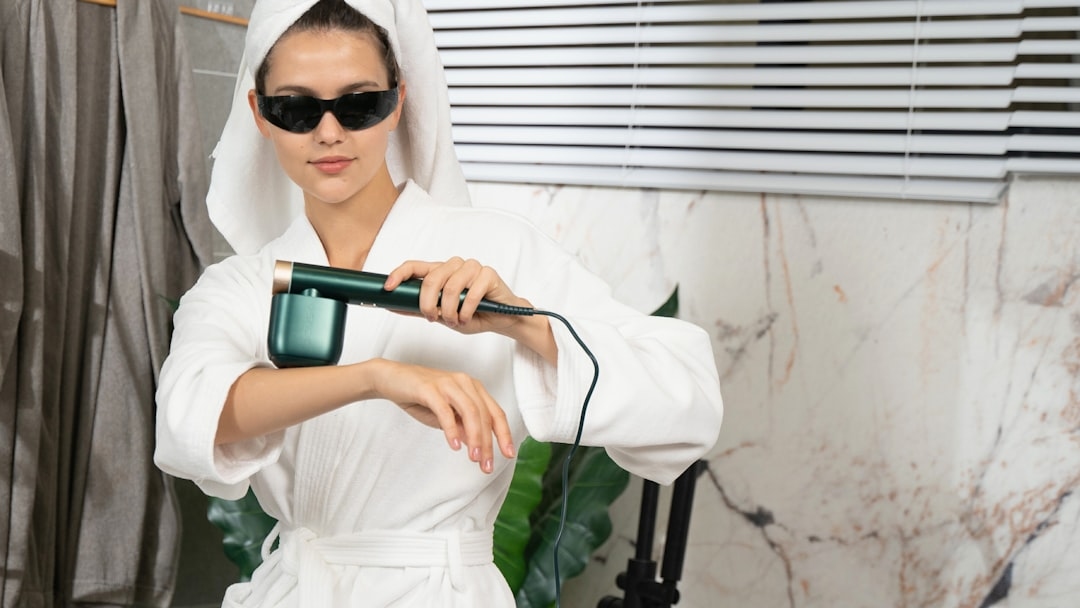
Request numbing cream if your clinic offers it. Lidocaine-based topicals take 20–30 minutes to work and significantly reduce sensation—often dropping discomfort from a 5 to a 2 or 3. Most reputable UK clinics offer this for £10–20 extra. Ask your technician about cooling handpieces; many modern machines have built-in sapphire cooling tips that make the pulse feel more like a cool pinch than a hot sting.
Breathwork helps. Deep breathing during pulses keeps your nervous system calm and lowers your perception of discomfort. Some clinics play music or chat throughout to distract you, which genuinely works.
Post-Treatment Care
Redness and mild swelling are normal and fade within 24 hours. Use a fragrance-free moisturiser and avoid hot showers, saunas, or intense exercise for 48 hours. These activities raise skin temperature and can intensify post-treatment sensitivity.
Cost Breakdown: What You’ll Actually Spend
IPL pricing in the UK varies widely by region and area treated:
- Face (full): £60–150 per session
- Upper lip or chin only: £30–60 per session
- Legs (full): £100–250 per session
- Underarms: £40–90 per session
- Brazilian/bikini: £80–180 per session
- Numbing cream add-on: £10–25
Most people need 6–8 sessions spaced 4–6 weeks apart for significant results. A full-leg course costs £600–2,000 depending on your location and whether you add comfort enhancements. London clinics cluster at the higher end; regional centres offer better value without sacrificing quality.
FAQ: Your IPL Pain Questions Answered
Is IPL more painful than waxing?
No. Waxing involves pulling hundreds of hairs out simultaneously—a sharp, sustained pain. IPL is repeated pinches lasting fractions of a second. Most people find IPL gentler, even on sensitive areas like the bikini line.
Does the pain get worse with each session?
Actually, it often improves. As hair becomes finer and sparser with each treatment, the light pulses require less energy to be effective, reducing sensation. Your fourth session is typically more comfortable than your first.
What happens if I can’t tolerate the pain?
Stop. Tell your technician immediately. They can lower the energy setting, apply additional cooling, increase breaks between pulses, or switch to a gentler hand-held device. A good clinic prioritises your comfort and won’t force you through discomfort.
Can I use a numbing spray instead of cream?
Sprays don’t work as well because they don’t penetrate deeply enough. Topical anaesthetic creams with 4–5% lidocaine, applied 30 minutes before treatment, are far more effective. Most reputable UK clinics stock these.
Is home IPL less painful than professional IPL?
Home IPL devices use lower energy levels than professional machines, so they feel less intense—but they’re also less effective for significant hair reduction. If you do use an at-home device, the sensation is typically a 1–2 on the discomfort scale, almost unnoticeable.
The Bottom Line: What to Expect
Does IPL hair removal hurt? Yes, but not in the way most people imagine. It’s a quick, manageable discomfort—not the sustained pain of waxing or the sharp sting of threading. With proper preparation, the right technician, and realistic expectations, the sensation is entirely tolerable for most people. Those treating facial hair report slightly more sensation than those doing legs, and the first session feels more intense than subsequent treatments as your hair becomes finer.
If comfort is your priority, invest in a clinic that offers numbing cream and modern cooling technology. The extra £20–30 is worth the peace of mind. Book your first session at a reputable practice, ask detailed questions about their pain-management options, and remember: if discomfort becomes unbearable at any point, a good technician will adjust their approach without question.