Contents:
- Why Women’s Hair Loss Gets Different Treatment
- Can Women Have Hair Transplants? The Medical Reality
- Follicular Unit Extraction (FUE)
- Follicular Unit Transplantation (FUT)
- Practical Considerations Specific to Women
- Density and Natural Appearance
- Donor Hair Availability
- Timing and Recovery
- Cost Expectations in the UK Market
- Realistic Expectations and Success Factors
- The Personal Story: Emma’s Experience
- Medical Conditions Affecting Eligibility
- Pre-Transplant and Post-Transplant Care
- Combining Transplants with Other Treatments
- Frequently Asked Questions
- How many women actually undergo hair transplants each year?
- Can transplanted hair fall out permanently?
- Will the transplant look obvious or unnatural?
- What happens to the donor area after FUE harvesting?
- Can I colour or permanently style my transplanted hair?
- Moving Forward with Confidence
Around 40% of hair loss sufferers in the UK are women — yet hair transplants remain widely misunderstood as a treatment exclusively for men. This misconception persists despite decades of successful procedures performed on women with thinning hair, receding hairlines, and alopecia. The truth is simpler and more hopeful than many assume.
Why Women’s Hair Loss Gets Different Treatment
Female pattern baldness differs fundamentally from male pattern baldness in its presentation and progression. Men typically experience distinct receding hairlines or crown thinning, whereas women usually suffer diffuse thinning across the entire scalp. This distinction matters enormously for surgical planning.
The Norwood scale, the standard classification system, measures hair loss in men with precise stages. Women lack an equivalent universally accepted scale — instead, the Ludwig scale describes female thinning as progressive density loss rather than specific recession patterns. Because of this anatomical difference, surgeons must adjust their harvesting and implantation strategies considerably.
Can Women Have Hair Transplants? The Medical Reality
Women possess identical hair follicles and surgical options as men. Two primary techniques dominate the field: follicular unit extraction (FUE) and follicular unit transplantation (FUT).
Follicular Unit Extraction (FUE)
FUE involves harvesting individual hair follicles from the donor area — typically the back and sides of the scalp — using a motorised punch tool approximately 0.8 millimetres in diameter. Surgeons then place these grafts into tiny recipient sites across the thinning areas. Most women prefer FUE because it requires no linear incision and leaves minimal scarring, permitting shorter hairstyles without visibility concerns.
A typical FUE session involves extracting 1,000 to 3,000 grafts, each containing one to four hairs. The procedure typically takes 6 to 8 hours, depending on graft quantity and scalp size.
Follicular Unit Transplantation (FUT)
FUT removes a thin strip of scalp from the donor area, usually measuring 10 to 15 centimetres in length. Technicians then dissect this strip into individual follicular units using microscopes before implantation. FUT generally yields more grafts per session — up to 4,000 — making it advantageous for extensive hair loss. The trade-off is a linear scar at the donor site, though this typically becomes less noticeable as surrounding hair grows.
Practical Considerations Specific to Women
Several factors distinguish women’s hair transplant journeys from men’s, beginning with aesthetic expectations and extending through recovery timelines.
Density and Natural Appearance
Women often prioritise density and volume across their entire scalp rather than achieving defined hairline architecture. Surgeons typically distribute grafts more densely throughout the affected area to restore the feathered, natural appearance most women prefer. This contrasts with male recipients, who frequently focus on establishing or strengthening a defined hairline.
Donor Hair Availability
Women generally have finer hair than men, which can affect surgical outcomes. Fine hair requires more grafts to achieve equivalent density, as each graft contains fewer total hairs. Additionally, women with diffuse thinning must be evaluated carefully to ensure the donor area contains sufficient healthy follicles unaffected by pattern baldness. Some women with advanced female pattern baldness cannot pursue transplantation due to insufficient donor reserves.
Timing and Recovery
Recovery timelines remain identical regardless of gender. Transplanted hairs shed completely within 3 to 4 weeks — a normal and expected response. Regrowth begins around month three, with most visible results emerging between months 6 and 12. Full maturation of transplanted hair takes 18 months, during which density and thickness gradually improve.
Cost Expectations in the UK Market
Hair transplant costs vary considerably based on graft quantity, technique, and surgeon experience. In 2026, UK clinics typically charge between £3,500 and £15,000 per procedure, calculated at approximately £3 to £8 per graft.
A woman requiring 2,500 grafts for moderate diffuse thinning might expect costs around £7,500 to £10,000. More extensive cases involving 3,500 to 4,000 grafts could reach £12,000 to £15,000. Most private clinics operate on a fixed per-graft basis rather than hourly fees, allowing transparent cost calculation before surgery.
The National Health Service rarely covers hair transplants, classifying them as cosmetic procedures rather than medical necessities. However, some specialists accept direct payments on flexible terms, and occasionally specific alopecias with proven genetic or medical triggers may qualify for limited NHS consideration after extensive review.
Realistic Expectations and Success Factors
Hair transplant success depends heavily on underlying hair loss cause. Women with telogen effluvium — temporary shedding triggered by stress, illness, or nutritional deficiency — should address the root cause before considering transplantation, as their hair loss may reverse naturally. Similarly, women with active alopecia areata or untreated thyroid conditions require medical management first.
Women with genetic female pattern baldness or stable androgenetic alopecia represent ideal candidates. Transplant success rates for these conditions exceed 90%, with most transplanted hairs establishing permanent roots in their new locations.
The Personal Story: Emma’s Experience
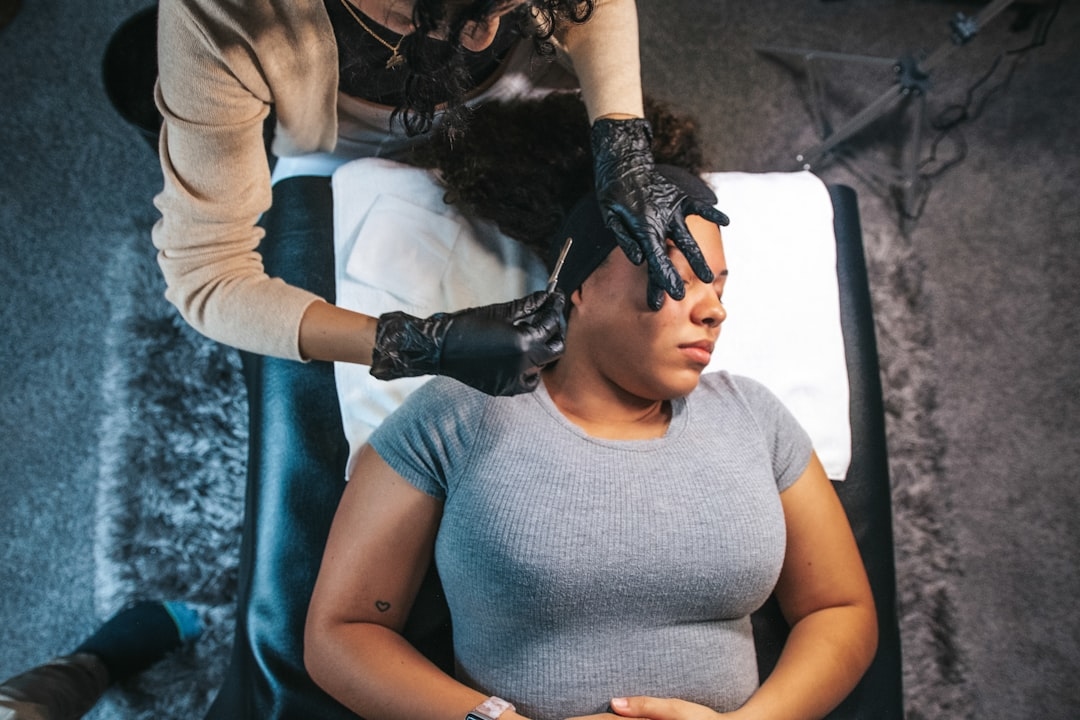
Emma, a 42-year-old from Manchester, experienced progressive thinning beginning in her mid-thirties. By age 40, her once-thick hair had noticeably thinned across her crown and temples. After exploring topical minoxidil without substantial improvement, she consulted a specialist. Following genetic testing confirming female pattern baldness, Emma underwent FUE transplantation with 2,800 grafts distributed across her thinning areas. She describes the experience as straightforward, with minimal discomfort during the procedure and manageable recovery. By month 12, her density had substantially improved, and at month 18, results exceeded her expectations. “I feel like myself again,” she reflects. “The psychological shift matters more than I anticipated.”
Medical Conditions Affecting Eligibility
Certain underlying conditions can complicate or contraindicate transplantation. Active scalp infections, uncontrolled bleeding disorders, severe cardiac disease, or unresolved psychological issues regarding body image require careful consideration. Some medications, particularly blood thinners or immunosuppressants, may need adjustment before surgery.
Women taking finasteride (Propecia) for female pattern baldness can continue this medication throughout the transplant process. In fact, continuing or initiating finasteride post-transplant may protect existing native hair from further loss, potentially improving long-term outcomes.
Pre-Transplant and Post-Transplant Care
Successful outcomes require meticulous preparation and aftercare. Before surgery, patients should avoid anti-inflammatory medications, alcohol, and smoking for two weeks, as these interfere with circulation and wound healing. Maintaining good nutritional status, particularly adequate protein and iron intake, supports follicle strength.
After transplantation, the first two weeks demand particular care. Patients must avoid vigorous washing, direct water pressure on grafted areas, strenuous exercise, and heavy lifting. Hair washing can resume gently after 10 days using cool water and specialised shampoos. Most women return to normal activities within one to two weeks, though hairstyling and colouring should wait until month three.
Combining Transplants with Other Treatments
Hair transplants perform best as part of a comprehensive strategy. Women often combine surgical transplantation with medical management through minoxidil (Rogaine) or finasteride (Propecia) to maximise results and protect remaining native hair. Low-level laser therapy (LLLT) devices, proven effective in some clinical studies, can complement transplants by supporting overall scalp health.
Some clinics offer PRP (platelet-rich plasma) injections alongside transplants, though evidence supporting this combination remains mixed. Ask your surgeon specifically about published studies before paying extra for supplementary treatments.
Frequently Asked Questions
How many women actually undergo hair transplants each year?
Approximately 10-15% of hair transplant recipients in the UK are women, though this percentage rises steadily as awareness increases and surgical techniques improve. Globally, female recipients represent 15-20% of all transplant patients.
Can transplanted hair fall out permanently?
No. Transplanted hair, harvested from genetically resistant donor areas, retains its original characteristics permanently. These hairs continue growing throughout your lifetime, though they age normally like all hair.
Will the transplant look obvious or unnatural?
Modern transplantation creates entirely natural results when performed by experienced surgeons. Grafts are placed at correct angles and densities matching native hair patterns. By month 6-12, transplanted hair blends seamlessly with existing hair.
What happens to the donor area after FUE harvesting?
The donor area naturally regrows hair within 3-4 months. Since FUE removes individual follicles scattered across the back and sides of the scalp, no linear scar develops. The density loss becomes imperceptible because surrounding undamaged hairs cover the area.
Can I colour or permanently style my transplanted hair?
Yes, but wait until month three post-surgery. After this point, transplanted hair is fully rooted and can be treated identically to native hair. Permanent waves, colouring, straightening, and blow-drying pose no risk to transplant survival.
Moving Forward with Confidence
Women absolutely can have hair transplants, and the outcomes rival or exceed those achieved in male patients. Success depends on selecting an experienced specialist, maintaining realistic expectations about timeline and results, and addressing underlying hair loss causes. If you’re experiencing progressive hair thinning and exploring options, a consultation with a qualified hair restoration surgeon can clarify whether transplantation suits your specific situation. The procedure has transformed thousands of women’s lives — yours might be next.