Contents:
- The Short Answer: Context Matters
- Why Body Hair Removal Cream Doesn’t Work Well on Facial Hair
- Chemical Composition and Facial Sensitivity
- Absorption and Penetration Issues
- What the Pros Know
- Safer Facial Hair Removal Alternatives
- Face-Specific Depilatory Creams
- Razors and Electric Shavers
- Threading
- Waxing
- Laser and Electrolysis
- Common Mistakes to Avoid
- How to Use Facial Hair Removal Cream Safely (If You Choose To)
- When to Avoid Hair Removal Cream Entirely
- A Reader’s Experience
- FAQ: Hair Removal Cream and Facial Use
- Is it safe to use regular hair removal cream on your face?
- How long should you leave hair removal cream on your face?
- What’s the difference between facial and body hair removal cream?
- Can you use hair removal cream on your upper lip?
- What should you do if hair removal cream burns your face?
- Making Your Choice
Should you slather depilatory cream across your cheeks and chin? The answer isn’t a simple yes or no—it depends on which cream you’re using, your skin sensitivity, and whether you’re willing to patch test first.
The Short Answer: Context Matters
Most body hair removal creams aren’t formulated for facial skin. Your face is significantly more delicate than your legs or underarms. Facial skin regenerates faster, contains more sebaceous glands, and is thinner by roughly 40% compared to body skin. That’s why manufacturers typically recommend against using standard depilatories on the face—not because it’s impossible, but because the risk of irritation, chemical burns, or allergic reactions jumps substantially.
Some depilatory brands do offer face-specific formulations with gentler alkaline levels and soothing additives. These exist precisely because people want chemical hair removal options without shaving. Before applying anything to your face, check the packaging. If it says “facial safe” or “gentle formula for face,” you’ve got the green light. If it says “body” or “legs,” leave it for your legs.
Why Body Hair Removal Cream Doesn’t Work Well on Facial Hair
Chemical Composition and Facial Sensitivity
Hair removal creams work by breaking down the protein structure of hair shafts using alkaline chemicals, typically potassium or sodium thioglycolate. These work efficiently on coarser body hair, which can tolerate harsher chemical exposure. Facial hair—whether fine blonde peach fuzz or darker terminal hair—sits on skin that reacts far more sensitively to these same chemicals.
A 2026 survey of dermatologists in the UK found that roughly 35% of patients who used body depilatory creams on their face experienced some form of skin irritation, ranging from mild redness to chemical burns requiring medical attention. The culprit wasn’t always the depilatory itself—often it was using a product not formulated for the face.
Absorption and Penetration Issues
Facial skin’s higher permeability means chemicals penetrate deeper and faster. Your face has thinner stratum corneum (the outermost skin barrier) than your legs, making it more susceptible to transdermal absorption. What causes a minor tingle on your leg can create significant irritation—or worse, systemic effects—on your face.
What the Pros Know
Professional aestheticians universally recommend patch testing any hair removal product on a small, inconspicuous area 24-48 hours before full application. If you’re determined to use a depilatory on your face, start with a face-specific formula and apply it only to test a small section of your jawline or upper lip area first. Keep the contact time to the absolute minimum suggested on the package—usually 5-10 minutes—and watch carefully for redness, burning sensations, or swelling. The slight inconvenience of a patch test prevents the very real possibility of facial scarring or permanent skin damage.
Safer Facial Hair Removal Alternatives
Face-Specific Depilatory Creams
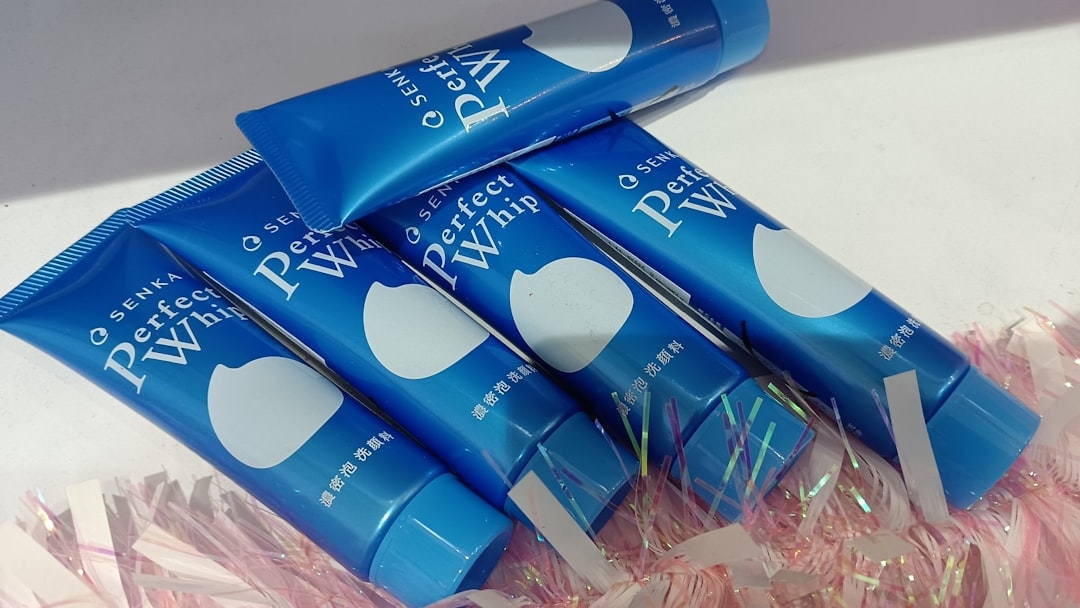
Products like Nair Face or Veet Facial Hair Removal Cream (available from most UK chemists, typically £4–£8) are specifically engineered for facial use. They contain lower concentrations of active chemicals and include soothing agents like aloe vera or vitamin E. These remain your best chemical option if you want to avoid razors or waxing.
Razors and Electric Shavers
A quality facial razor—single-blade safety razors cost £15–£40 and last years—gives you immediate results, complete control, and zero chemical risk. Electric shavers designed for facial hair (£20–£150 depending on quality) provide similar safety with added convenience. Neither method removes hair below the skin’s surface, so regrowth appears within 24 hours, but the trade-off is absolute safety.
Threading
Traditional threading removes facial hair from the root without chemicals. A professional threading session costs £8–£15 in most UK salons and lasts 3-6 weeks. It’s precise enough for upper lip and eyebrow work, though some find the sensation uncomfortable during their first session.
Waxing
Professional facial waxing (£10–£25 depending on area and salon) removes hair from the follicle, offering results lasting 4-6 weeks. The downside is temporary redness and potential for ingrown hairs if aftercare is poor. Always have it done professionally rather than attempting DIY facial waxing at home.
Laser and Electrolysis
For permanent or semi-permanent reduction, professional laser hair removal (£50–£150 per session, typically requiring 6-8 sessions) or electrolysis (£20–£50 per session) offer the longest-lasting results. Both require professional administration but are highly effective for facial hair, particularly on darker, coarser hair.
Common Mistakes to Avoid
- Ignoring the “body only” label: Just because a product works on your legs doesn’t mean it’s safe for your face. Different skin, different rules.
- Skipping the patch test: This takes 48 hours but saves you from potential chemical burns. Always patch test first, regardless of product type.
- Leaving depilatory cream on too long: More time does not equal better results. Follow the manufacturer’s instructions exactly—usually 5-10 minutes maximum. Extra minutes increase irritation risk without improving hair removal.
- Using depilatory cream on broken or irritated skin: Open cuts, acne lesions, or sun-damaged skin won’t tolerate chemical exposure. Wait until skin is fully healthy.
- Applying moisturiser immediately after: Wait at least 30 minutes before applying heavy products. Your skin needs time to fully recover from chemical exposure.
How to Use Facial Hair Removal Cream Safely (If You Choose To)
If you’ve confirmed you’re using a face-specific formula and completed your patch test without issues, follow this process:
- Cleanse your face thoroughly and pat completely dry. Moisture dilutes the cream and reduces effectiveness.
- Apply a thin, even layer, avoiding the eyes, nostrils, and mouth entirely.
- Set a timer for the minimum recommended time (usually 5 minutes). Don’t leave it on longer.
- Use the included spatula to gently test a small area—if hair lifts away easily, remove the entire application.
- Rinse with lukewarm water thoroughly, then splash with cool water to close pores.
- Pat dry and apply a fragrance-free moisturiser suited to sensitive skin.
- Avoid sun exposure for at least 24 hours afterward.
When to Avoid Hair Removal Cream Entirely
Don’t use depilatory creams—facial or otherwise—if you have:
- Sensitive skin prone to reactions (test cautiously even with face-specific products)
- Broken skin, active acne, or open wounds
- A known allergy to thioglycolic acid or parabens
- Sunburned or recently irritated skin
- Rosacea or eczema affecting the facial area
If you fall into any of these categories, explore alternatives like threading, professional waxing, or shaving instead.
A Reader’s Experience
Sarah, a 34-year-old from Manchester, used a body depilatory on her upper lip without realising her mistake. “I’d used it on my legs successfully for years, so I thought it would be fine,” she recalls. Within minutes, she experienced burning and redness. By the next morning, her upper lip had swollen noticeably. She visited her GP, who prescribed a mild topical steroid. The swelling subsided within a week, but the experience reinforced why professionals emphasise face-specific formulations. “I wish I’d just bought the facial one,” she says. “It costs barely more and would have saved me a lot of worry.”
FAQ: Hair Removal Cream and Facial Use
Is it safe to use regular hair removal cream on your face?
Not generally. Regular body depilatory creams contain higher concentrations of active chemicals designed for coarser hair on less sensitive skin. Facial skin is thinner and more reactive, making standard depilatories risky. Use only face-specific formulations and always patch test first.
How long should you leave hair removal cream on your face?
Follow the manufacturer’s guidance, typically 5-10 minutes maximum. Leaving it on longer increases irritation risk without improving results. Set a timer and remove it promptly when the time is up.
What’s the difference between facial and body hair removal cream?
Facial formulations use lower concentrations of alkaline chemicals, include soothing ingredients like aloe vera, and are tested on more sensitive skin. Body creams are stronger, more cost-effective for larger areas, but too harsh for delicate facial skin.
Can you use hair removal cream on your upper lip?
Yes, if you’re using a face-specific formula. The upper lip is a common area for facial hair removal cream use. Patch test first, avoid getting cream into your mouth, and follow timing instructions precisely. Some people find threading or professional waxing less risky for this sensitive area.
What should you do if hair removal cream burns your face?
Remove the cream immediately with lukewarm water and rinse thoroughly for several minutes. Apply cool compresses, avoid touching the area, and skip makeup and harsh products for 24-48 hours. If redness, swelling, or pain persists beyond a few hours, contact your GP or visit a walk-in centre. Keep the cream’s packaging so you can provide the product name if needed.
Making Your Choice
Using hair removal cream on your face is possible but requires the right product and careful application. Face-specific depilatory creams exist precisely because people want this option, but they demand respect—patch testing, proper timing, and honest assessment of your skin’s sensitivity level.
If you’re risk-averse, professional threading or waxing offer excellent results with virtually zero risk of chemical irritation. If you prefer the simplicity and cost-effectiveness of at-home removal, invest in a face-specific cream and commit to the patch-test step. Your skin will thank you either way.