Contents:
- The Hair Growth Cycle and Why Chemo Targets It
- Which Chemotherapy Drugs Cause Hair Loss?
- Why Does Chemo Cause Hair Loss More Than Other Side Effects?
- Individual Factors Affecting Hair Loss Severity
- Timeline: When Hair Loss Starts and When Recovery Begins
- The Psychological and Identity Impact
- Scalp Cooling and Other Protective Strategies
- Expert Perspective
- Practical Management During Treatment
- FAQ: Common Questions About Chemotherapy and Hair Loss
- Moving Forward: Recovery and Beyond
In 1896, when the first systematic cancer treatments emerged, physicians noticed something unexpected: patients receiving certain medications developed sudden, dramatic hair loss. What seemed like a side effect was actually a window into how these powerful drugs worked. Today, over a century later, chemotherapy-induced alopecia remains one of the most visible and psychologically demanding aspects of cancer treatment. Understanding the mechanism behind it transforms anxiety into informed awareness.
The Hair Growth Cycle and Why Chemo Targets It
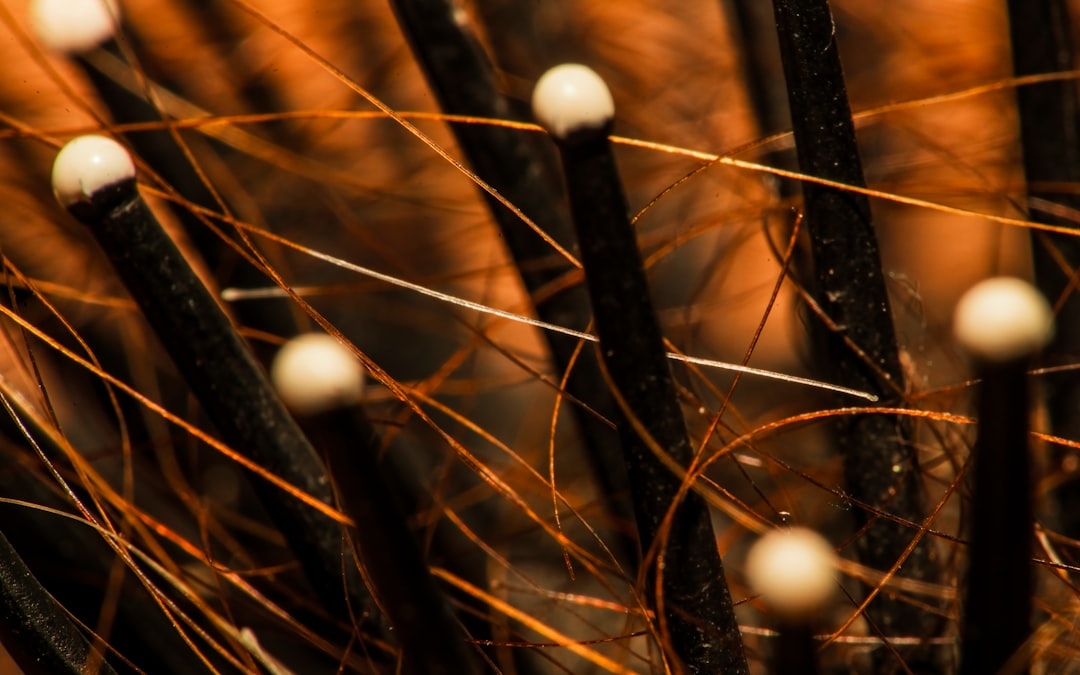
Hair isn’t simply attached to your scalp—it’s a living system of constant regeneration. Each hair follicle cycles through four distinct phases: anagen (active growth), catagen (transition), telogen (dormancy), and exogen (shedding). At any given moment, approximately 85 percent of scalp hair is in the anagen phase, actively dividing and elongating at a rate of roughly 0.3 to 0.4 millimetres daily.
This relentless cell division is precisely where chemotherapy becomes problematic. Cytotoxic chemotherapy drugs—the class most notorious for causing hair loss—work by targeting rapidly dividing cells. They don’t distinguish between cancer cells and healthy cells that naturally divide at high rates. Hair follicles, particularly those in active growth, are among the fastest-dividing cells in your body. A single follicle can contain millions of cells cycling every 24 to 72 hours.
When chemotherapy drugs circulate through your bloodstream, they damage the matrix cells within the hair bulb—the root structure where new hair forms. This damage doesn’t always result in immediate shedding. Instead, damaged hair often becomes weak and brittle, sometimes breaking at the shaft rather than falling from the root. This is why hair loss during chemotherapy typically begins 7 to 10 days after treatment, peaks around 2 to 3 weeks, and can continue for several months.
Which Chemotherapy Drugs Cause Hair Loss?
Not all chemotherapy regimens cause the same degree of alopecia. Hair loss severity depends on several factors: drug type, dosage, route of administration, and individual genetic factors affecting follicle sensitivity.
High-risk drugs include doxorubicin (typically 89 percent hair loss rates), paclitaxel (80 percent), docetaxel (76 percent), and daunorubicin. These agents cause clinically significant alopecia in the majority of patients. Intermediate-risk drugs like cyclophosphamide cause noticeable hair loss in approximately 60 to 90 percent of cases, depending on dose. Lower-risk medications such as 5-fluorouracil and methotrexate may cause hair thinning rather than complete baldness.
Dosage matters considerably. A standard chemotherapy dose for breast cancer might deliver 240 to 300 milligrams per square metre of doxorubicin over several months. At this intensity, hair loss becomes almost inevitable. However, lower doses or less frequent administration schedules sometimes spare patients from significant alopecia.
Why Does Chemo Cause Hair Loss More Than Other Side Effects?
Hair follicles are particularly vulnerable because they rank among the body’s top three cell-renewal systems alongside bone marrow and gut lining. Unlike your immune system, which might recover within weeks of treatment ending, hair follicles require months to fully regenerate functional cells in the matrix.
When chemotherapy damages these stem cells—the undifferentiated cells responsible for continuous hair production—the damage can be substantial. Some follicles enter a prolonged resting phase (telogen), whilst others experience anagen effluvium, where hair is shed during active growth. The severity also depends on whether the drug achieves high concentrations in the scalp. Drugs that cross the blood-brain barrier effectively or concentrate in tissue tend to cause more dramatic hair loss.
Individual Factors Affecting Hair Loss Severity
Two patients receiving identical chemotherapy can experience vastly different hair loss outcomes. Genetic variation in drug-metabolizing enzymes—particularly cytochrome P450 systems—influences how quickly your body processes chemotherapy drugs. Faster metabolizers might clear drugs more rapidly, reducing scalp exposure. Conversely, slow metabolizers experience prolonged drug presence and potentially more follicle damage.
Age plays a minor role; younger patients sometimes report less severe alopecia, possibly due to more robust cellular repair mechanisms. Hair colour and texture show no scientifically proven correlation with loss severity, though darker hair appears more noticeable when it falls, creating a psychological perception of greater loss.
Scalp health before treatment matters. Individuals with existing inflammatory scalp conditions or compromised hair growth may experience earlier or more pronounced loss. Nutritional status—particularly iron, zinc, and protein levels—can influence how quickly follicles recover post-treatment.
Timeline: When Hair Loss Starts and When Recovery Begins
Week 1: Most patients notice nothing immediately. Chemotherapy begins damaging follicle cells, but visible changes haven’t yet occurred.
Weeks 2 to 3: Hair typically begins shedding noticeably. Some patients lose hair gradually; others experience more sudden loss.
Weeks 3 to 8: Peak hair loss period. Depending on treatment intensity, patients may lose 50 to 100 percent of scalp hair, plus eyebrows and body hair.
Months 3 to 6 (post-treatment): Regrowth begins as damaged follicles recover. Hair initially grows as fine, sometimes differently textured growth—sometimes curly hair returns straight or vice versa.
6 to 12 months: Full recovery typically occurs, though complete restoration to pre-treatment thickness may take 12 to 18 months.
The Psychological and Identity Impact
Hair loss affects far more than appearance. Research from 2024 surveys indicates that 70 percent of chemotherapy patients report moderate to severe psychological distress from alopecia, sometimes exceeding distress from other treatment side effects. Hair represents identity, femininity or masculinity, age perception, and health status. Sudden loss disrupts self-image during an already traumatic health experience.
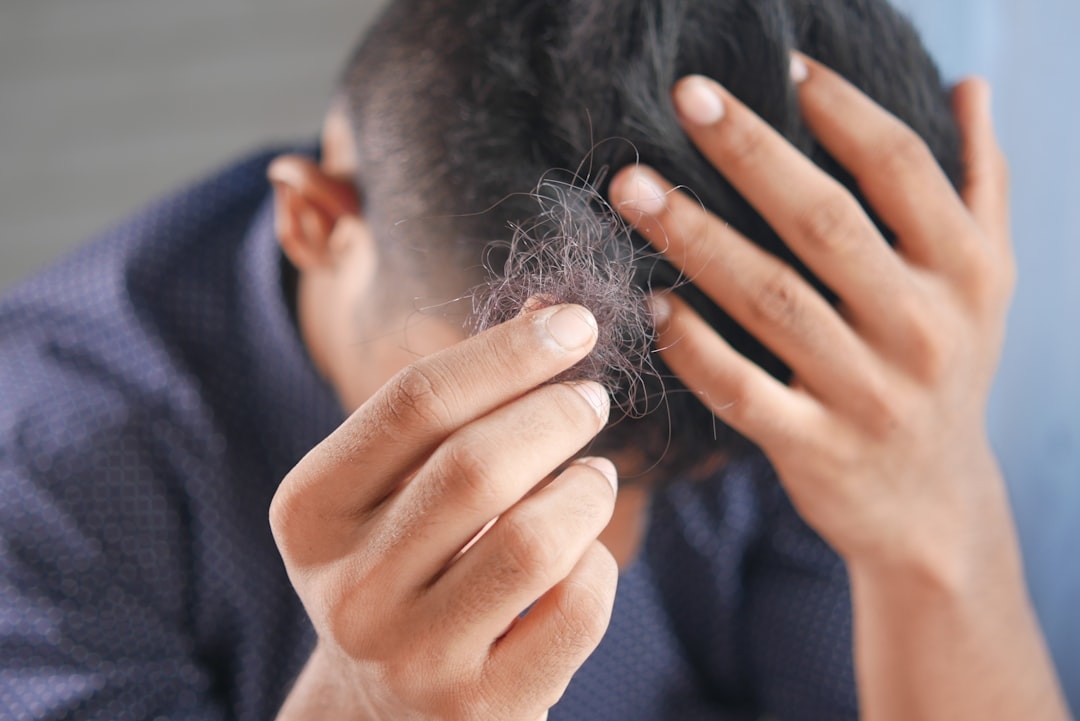
This psychological burden is why support approaches—including scalp cooling caps, wigs, and psychological counselling—are increasingly integrated into comprehensive cancer care across the UK National Health Service and private clinics.
Scalp Cooling and Other Protective Strategies
Scalp cooling (cryotherapy) reduces hair loss in 50 to 75 percent of patients by lowering scalp temperature, which decreases blood flow to follicles and reduces drug concentration in hair-producing cells. Most UK cancer centres now offer cooling caps costing £2,500 to £4,800 for a full course, though NHS provision varies by region. Cooling works best with less dense regimens and less effective with drugs like taxanes.
Minoxidil (Rogaine) applied post-chemotherapy may accelerate regrowth, though evidence remains mixed. Some oncologists recommend starting minoxidil one to two weeks after final chemotherapy doses, at concentrations of 5 percent, typically costing £15 to £25 monthly in the UK.
Nutritional support—ensuring adequate protein (1.2 to 1.6 grams per kilogram daily), iron (18 milligrams daily for women, 8 milligrams for men), zinc (11 milligrams daily for men, 8 for women), and B vitamins—supports follicle recovery. Consider these as baseline rather than treatment; they don’t prevent loss but may expedite regrowth.
From a sustainability perspective, choosing washable cooling caps over single-use medical waste options, or selecting silk pillowcases and natural-fibre headscarves rather than synthetic alternatives, reduces environmental impact during treatment without compromising comfort or protection.
Expert Perspective
According to Dr. Sarah Mitchell, a trichologist specialising in cancer-related hair loss and director of the Follicle Health Clinic in Edinburgh, “Hair loss during chemotherapy represents a predictable biological consequence, not a treatment failure. What patients often don’t realise is that recovery is virtually assured—regrowth begins within weeks of treatment completion, even if it’s not immediately visible. I counsel patients to expect 6 to 12 months for full restoration and to focus on scalp health during recovery through gentle handling and adequate nutrition.”
Practical Management During Treatment
Before hair loss begins: Consider shorter hairstyles or pixie cuts to make thinning less obvious. Schedule wig fittings whilst your hair is intact. Many NHS cancer support services offer free or subsidised wigs; private options range from £60 to £600 depending on quality and materials.
During active loss: Use silk pillowcases to reduce mechanical stress. Avoid tight hairstyles, heated styling tools, and harsh shampoos. Gentle, sulfate-free cleansing once or twice weekly suffices. Consider loose headscarves, turbans, or hats—many patients find these psychologically easier than wigs for daily wear.
Eyebrow and eyelash loss: Mineral makeup can define eyebrows; some patients opt for semi-permanent makeup tattooing before loss occurs (typical cost £400 to £800 in the UK). Eyelash loss is harder to manage; false lashes can irritate sensitive eyes during treatment.
FAQ: Common Questions About Chemotherapy and Hair Loss
Q: Will my hair grow back exactly as it was?
A: Usually yes, though texture and colour occasionally change temporarily. The new growth may be finer or curlier initially; within 6 to 12 months, hair typically returns to its original characteristics.
Q: Can I prevent hair loss with special shampoos or supplements?
A: No supplement or shampoo prevents chemotherapy-induced alopecia. Scalp cooling is the only evidence-based preventive method. Proper nutrition supports recovery speed but not prevention.
Q: Does hair loss mean the chemotherapy isn’t working?
A: No. Hair loss reflects drug efficacy against rapidly dividing cells—the same mechanism killing cancer cells. Patients with alopecia are not receiving stronger treatment; follicles are simply more susceptible than cancer cells in some individuals.
Q: How do I access wigs and support through the NHS?
A: Most NHS cancer centres have specialist nurses who refer patients to wig suppliers contracted through the service. Many supplies are free for patients. Contact your oncology unit’s supportive care team to inquire about local provision and scalp cooling availability.
Q: Is permanent hair loss possible from chemotherapy?
A: True permanent alopecia from standard chemotherapy is exceptionally rare (less than 1 percent of cases). High-dose chemotherapy preceding bone marrow transplant carries slightly higher risk, but even then, regrowth typically occurs within 3 to 5 years.
Moving Forward: Recovery and Beyond
Chemotherapy-induced hair loss, whilst visible and emotionally challenging, represents a temporary disruption to normal hair cycling. The biological mechanisms behind it—targeting rapidly dividing cells—are fundamental to how these treatments combat cancer. Understanding this process transforms hair loss from mysterious and frightening to predictable and manageable.
Your recovery begins the moment your final chemotherapy infusion completes. Within weeks, dormant follicles will restart their cycle. Within months, visible regrowth appears. Within a year, most patients report full restoration. As you progress through this recovery phase, connect with supportive communities, prioritise scalp health through proper nutrition and gentle handling, and track your regrowth milestones. Document your recovery—many patients find that photographing early regrowth provides psychological encouragement. Consider sharing your experience through patient support groups; your perspective helps others facing similar treatment journeys understand that this chapter, though difficult, is temporary.